Potential measles exposures at Wichita airport
By Steve Smith •
Published
• Updated
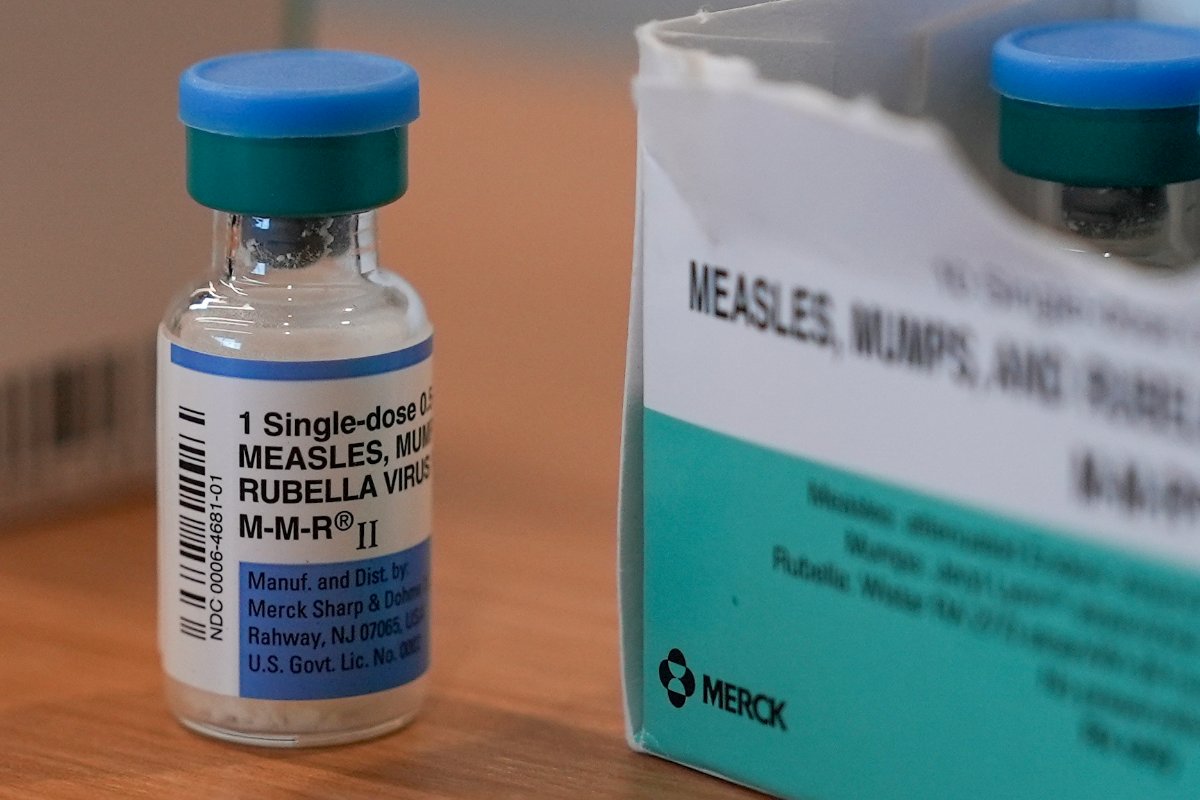
TOPEKA – The Kansas Department of Health and Environment (KDHE) and local health departments continue to respond to measles cases in Kansas. KDHE is notifying the public of a possible measles exposure so that the public may take the appropriate steps to protect their health and limit the spread of measles. The risk of exposure to measles is limited only to the location, date, and times below.
PRESERVED_BLOCK_0
The measles virus can stay in the air and on surfaces for up to two hours. Because the measles virus is highly contagious, anyone who was inside Wichita Dwight D. Eisenhower National Airport on the evening of May 2 may have been exposed to measles and should take the following steps:
PRESERVED_BLOCK_1
Measles is a highly contagious respiratory virus. It spreads easily when an infected person talks, sneezes or coughs. People who are not vaccinated or lack immunity are especially at risk of becoming infected. Symptoms of measles typically begin with a high fever, cough, runny nose, and red, watery eyes. Three to five days after symptoms begin, a skin rash develops and usually starts on the face and spreads down to the neck, trunk, arms and legs.
The best way to prevent measles is to get the MMR vaccine. If you have had measles or have been vaccinated, your risk of contracting the disease is very low. However, a few people (about three out of 100) can still get measles even after two MMR vaccine doses if they are near someone who is sick.
For questions, contact the KDHE Epidemiology Hotline by phone at 877-427-7317 (option 5) or by email at kdhe.epihotline@ks.gov.
For more information about measles, how to find your vaccine records, and answers to common questions, visit the Kansas Department of Health and Environment Measles Resource Hub at www.kdhe.ks.gov/measles.
###