MoDOT crews work to clear dead animals from Missouri roadways as deer season ramps up
What do you think?
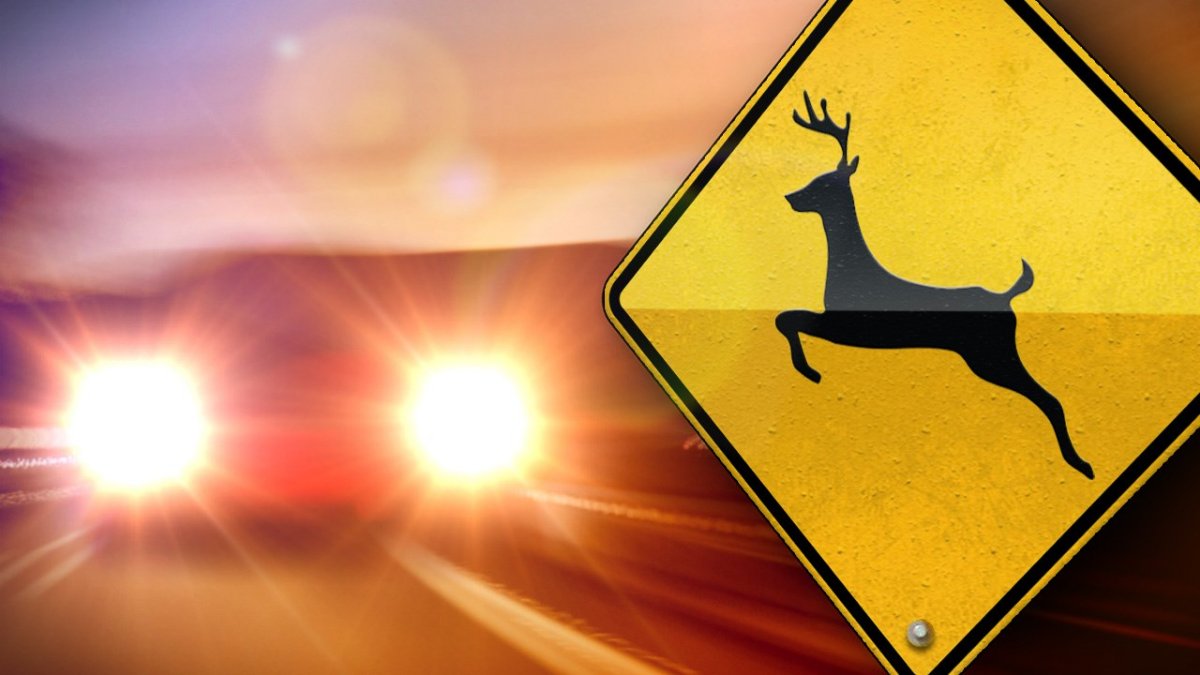
JOPLIN, MO. - As deer enter their breeding season and become increasingly active across Missouri, the chances of encountering one on the roadway rise — and when collisions happen, Missouri Department of Transportation crews are responsible for clearing animals from state-maintained highways.
Jimmy Shannon, district maintenance engineer for MoDOT's Southwest District, said animal removal is part of the work maintenance crews routinely handle, whether they spot an animal while driving their routes or receive a report from a motorist.
"Along the highways, we maintain the deer removal here at MoDOT," Shannon said. "Our folks will run their routes just to look for anything that we need to address. And so if they come across them, they will remove them out of the roadway."
Crews also rely on reports from the public, with MoDOT's customer service team directing calls to the appropriate building so crews can respond.
Shannon said the timing of that response depends largely on where the animal is located and what else crews are working on. Animals in travel lanes are prioritized because they can pose a safety hazard to motorists, while animals on the shoulder may be addressed as crews work through other maintenance responsibilities.
"Once we get one in the traveling lane, we'll try to get to it as quickly as possible within that same day," Shannon said. "But if it's on the shoulder and we've got some other projects going on, you know, it might be the next day or something like that. But generally within the same day or the next day, we'll generally get out there and get them removed."
Where an animal is taken after removal is also determined by its location. Shannon said MoDOT works with the Missouri Department of Conservation, which prefers animals be moved as little as possible to limit the potential spread of disease.
"So it all depends on where the dead animal is," Shannon said. "If there's a spot nearby that's, you know, a wooded area or something like that, where we can get it, you know, out of sight of the traveling public, then we'll move them there."
In more urban areas, crews may instead take animals to a location for disposal, but Shannon said the department tries to avoid transporting them farther than necessary.
"We try to keep them close to where they were hit so that we minimize the potential to spread any diseases that they may have," he said.
While deer are the most common animals crews encounter during the fall, Shannon said maintenance workers see a variety of wildlife along Missouri roads.
"Typically, especially this time of the year, deer are probably the most common," Shannon said. "But we do have, you know, we have some different ones, raccoons and possums. You know, being in the southern part of Missouri, we do have the occasional armadillo. So we get a pretty good variety of animals that we come across."
The increased activity comes as deer enter the rut, a period when they are actively moving in search of mates. Shannon said motorists are more likely to encounter deer in rural areas where wooded surroundings are close to roadways, though collisions can happen anywhere.
"Definitely want to urge motorists to be looking out for any critters that might be along the road," Shannon said.
MoDOT has also explored potential ways to reduce wildlife collisions, including wildlife crossings. Shannon said studies have been conducted with universities to identify potential locations for crossings, though he was not aware of any that have been implemented in Missouri.
Although MoDOT does not have a system to track how many animals its crews remove from highways, Shannon said collisions can have serious consequences for drivers and their vehicles.
"Just out in my travels, I do see some pretty significant damage to vehicles that have hit deer," he said. "So they can definitely — they can cause a lot of havoc."
As deer movement increases, motorists are encouraged to stay alert, particularly around wooded areas and during times when deer are more active. Drivers should avoid distractions, slow down when they spot wildlife and resist swerving suddenly to avoid an animal, which can create another dangerous situation.
Motorists who spot a dead animal on a state-maintained roadway can report it to MoDOT's customer service team at 888-ASK-MODOT (888-275-6636) so crews can be dispatched to remove it.