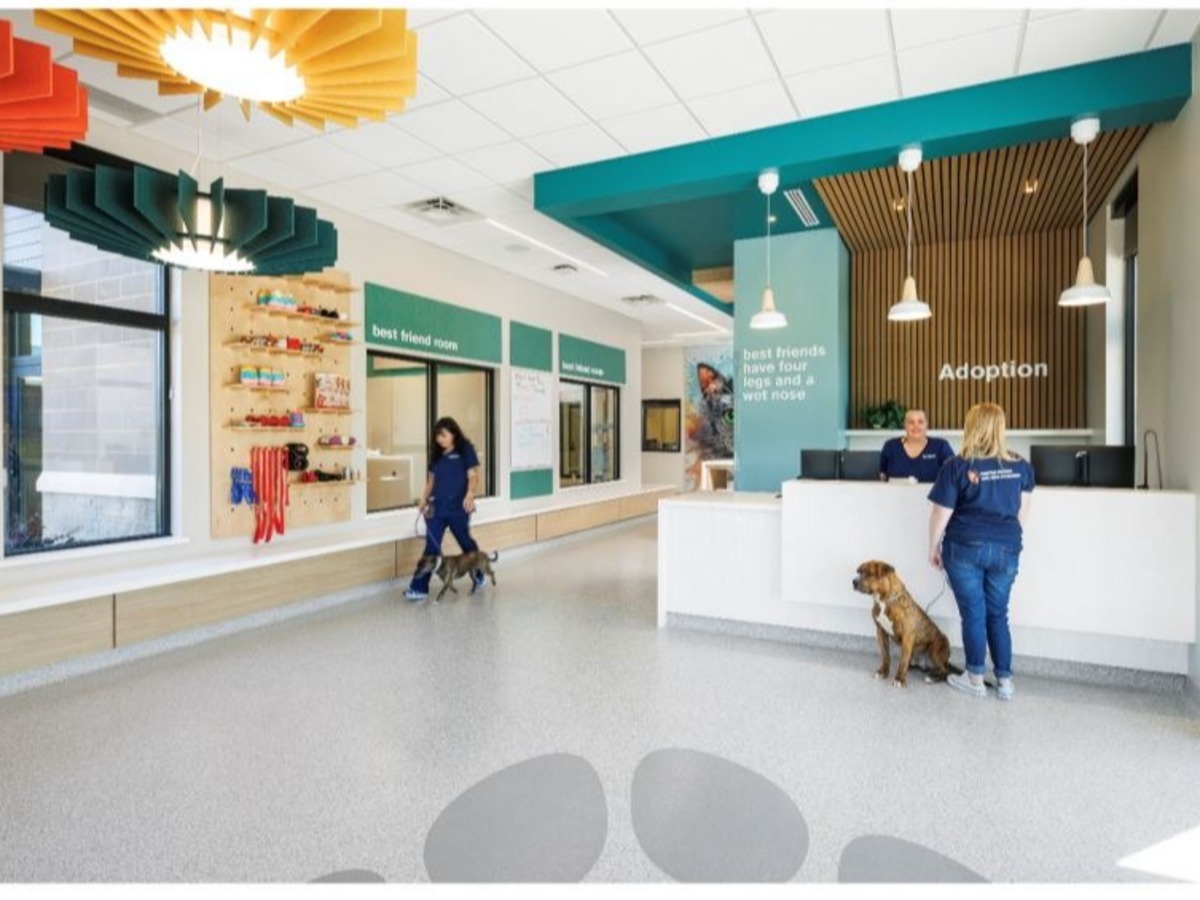
Study recommends Joplin build its own $22m animal shelter after widespread intake restrictions
What do you think?
A new study says the city of Joplin should build and operate its own animal shelter.
It's a project that could cost more than $22 million and significantly increase annual operating expenses.
The recommendation follows findings that the Joplin Humane Society was unable to accept routine animal admissions from city animal control officers for all or part of 54 days between April and September 2026. That's nearly 30% of the six months they examined.
The city has contracted with the Humane Society for animal sheltering services since 1975.
However, the study found that the current agreement does not guarantee available space for animals brought in by city officers.
Under the recommended plan, Joplin would construct a full-service municipal shelter at an estimated cost of $22.1 million, excluding land acquisition and certain other expenses. Annual operating costs would approach $2.8 million, compared with the city's current sheltering appropriation of $257,500.
The proposed facility would cover approximately 19,000 square feet on a 4.5-acre site, with space and staffing designed to accommodate roughly 1,300 dogs and 800 cats annually.
It would also provide veterinary services, adoption programs, foster care opportunities and expanded animal welfare resources.
The study estimates the new shelter would require nearly 30 full-time equivalent positions and could open in 2028 if the city moves forward with the project.
Consultants examined two alternatives.
One would involve building a smaller holding facility for approximately $6.8 million, with annual operating expenses of $736,000. However, that option is not recommended because the city would still depend on outside organizations to shelter most stray and surrendered animals.
The other alternative would involve renegotiating the city's existing agreement with the Humane Society to guarantee admissions for certain cases, establish stronger performance requirements, and improve accountability.
Consultants recommend pursuing that arrangement temporarily while a new shelter is developed.
The study also identifies potential regional partnerships with Carthage, Webb City and Neosho that could help distribute construction and operating expenses among participating communities.
Funding remains a major question. Some financing options could require voter approval, and the city has not identified a funding source.
The report also recommends reviewing several existing animal control policies, including restrictions on the number of pets residents may own, animal licensing requirements, and programs addressing free-roaming cats.
Joplin City Council is scheduled to review the findings during a work session Monday, November 9, at 5:45 p.m. at City Hall.
No construction plans or funding commitments have been approved.