Joplin Fire Department Shares Fire Safety Tips Ahead of Holiday Season
What do you think?
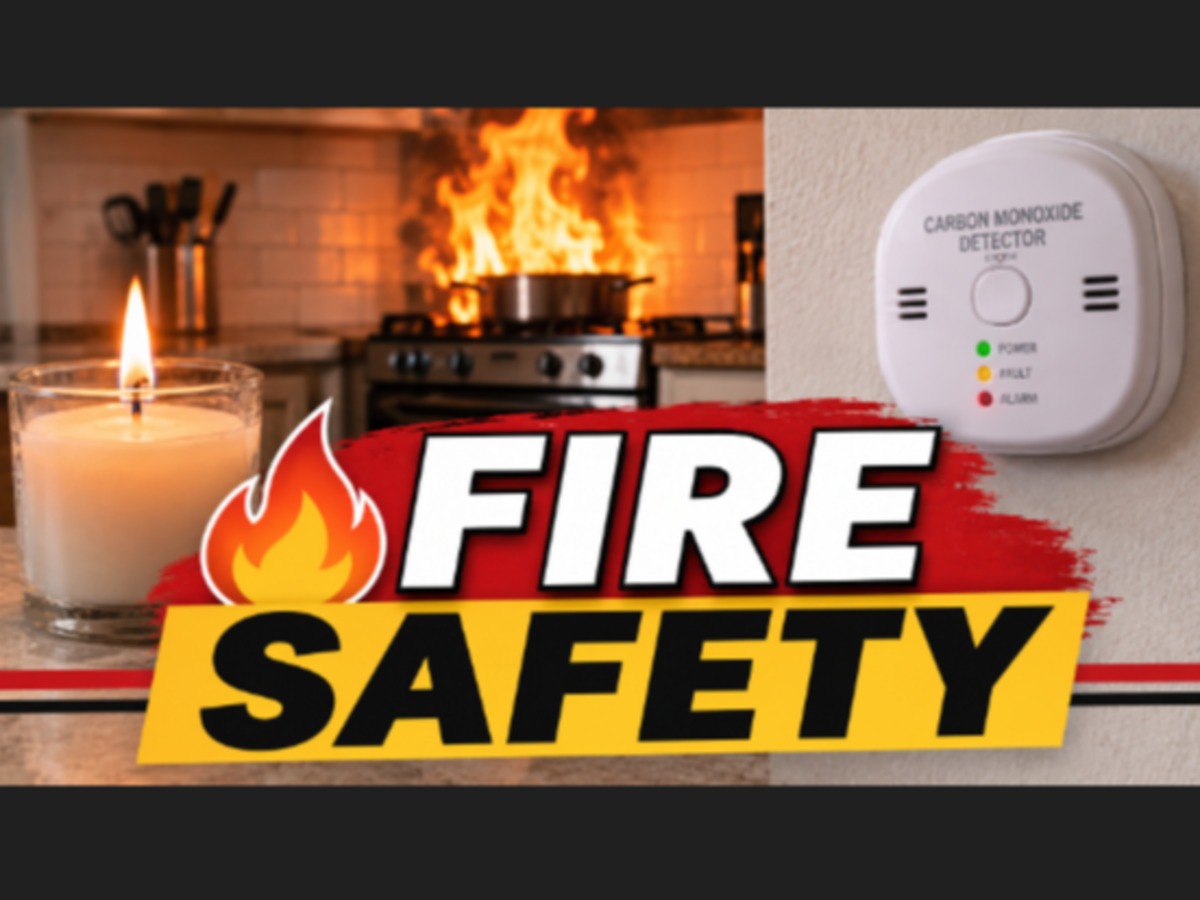
JOPLIN, MO. — As temperatures drop and families prepare for Thanksgiving, the Joplin Fire Department is reminding residents to take precautions around fire pits, in the kitchen and throughout the home.
Dustin Luna with the Joplin Fire Department says simple safety measures can help prevent fires and protect families during the fall and holiday seasons.
Fire Pit Safety
Cooler weather often means more time spent around outdoor fire pits. However, Luna says residents should be mindful of where they place fires and how they extinguish them.
In Joplin, recreational cooking fires are allowed without a permit, but they should be kept at least 25 feet away from structures. Luna also recommends keeping a way to extinguish the fire nearby, such as a garden hose or shovel.
"Those embers stay hot for quite some time. So the next morning or even afternoon and it becomes windy or whatever, it'll stir that out, blow it on the grass. Now your grass is on fire." Luna said.
As vegetation begins to go dormant during the fall, Luna warns that grass and other plants can dry out quickly, creating additional fire hazards.
He also urges residents to keep children a safe distance from fire pits and avoid running or playing around them.
One of the most important rules is to never use accelerants, such as gasoline, to start or revive a fire.
"Anything you pour on that thing will ignite explosively," Luna said, warning that the vapors can cause serious injuries.
Kitchen Safety Ahead of Thanksgiving
With Thanksgiving approaching, many families will spend more time cooking, increasing the importance of kitchen fire safety.
Luna recommends keeping a small fire extinguisher in the kitchen and making sure everyone in the household knows how to use it.
He said people can remember the basic steps for using a fire extinguisher with the acronym PASS: pull the pin, aim at the base of the fire, squeeze the handle and sweep from side to side.
Having an extinguisher available can help residents respond quickly to a small fire before it spreads.
"Having a small kitchen fire extinguisher can really be the difference between having, you know, something that maybe starts and is no problem. Or we go out there and put all your cabinets out because everything is on fire," Luna said, explaining that a fire that is not quickly controlled can spread to cabinets and other parts of the home.
Luna also emphasizes the importance of never leaving cooking unattended.
Residents should remain in the kitchen when frying, grilling or broiling food and should keep an eye on anything cooking on the stove.
Be Careful With Candles and Holiday Decorations
Fall candles and seasonal decorations can also introduce fire hazards into the home.
Luna advises residents to keep candles away from decorations, particularly older materials that may have become dry and brittle while stored in attics or other storage areas.
He recommends trimming candle wicks, keeping candles away from combustible materials and never leaving a burning candle unattended.
Candles should also be extinguished before leaving a room or the house.
Check Smoke Detectors Before Winter
As families begin using their heating systems more frequently, Luna says now is a good time to check smoke detectors and replace batteries if needed.
Modern homes can give occupants less time to escape a fire than they might expect.
Luna explained that many household furnishings and building contents now contain synthetic materials that can burn quickly and produce dangerous smoke and gases.
"Where previously you'd have 10 to 12 minutes or so to get out of your house, it's down to three to five," Luna said.
Because a fire can spread rapidly, working smoke detectors are essential.
Luna recommends installing a smoke detector in every bedroom and in the hallway connecting the bedrooms. Residents should also check detectors that are connected to household electricity because many have backup batteries that need to be maintained.
Even if a detector has a long-life battery, residents should follow the manufacturer's instructions for testing and replacement.
Luna said the department wants residents to understand how quickly a smoke detector can alert a family to danger and provide valuable time to escape.
The department also encourages residents not to ignore unusual smells when turning on their heating systems for the first time during the colder months.
Dust that has accumulated over the spring and summer can burn off when a heater is first used. However, if residents notice an unusual or persistent smell, they can contact the fire department to have the situation checked.
Carbon Monoxide Detectors Are Essential
Along with smoke detectors, Luna stresses the importance of having working carbon monoxide detectors, particularly in homes with natural gas appliances or other fuel-burning equipment.
Carbon monoxide is an odorless, colorless gas that can be deadly. Because people cannot see or smell it, they may not realize they are being exposed.
Luna pointed to a carbon monoxide incident in Joplin during the past year that resulted in one death, several people becoming ill and multiple apartment units being evacuated.
He said carbon monoxide interferes with the body's ability to transport oxygen through the bloodstream, potentially leading to life-threatening effects.
"Carbon dioxide, if you think of it like your fridge magnet versus your super neodymium magnets, right? This fridge magnet sticks, but then the super magnets, you can barely peel off," said Luna. "Carbon monoxide acts like that to your red blood cells, so it bonds to hemoglobin so much more powerfully that it just displaces the oxygen and knocks it off of there, and it locks to it. Although there's plenty of oxygen, your body can't use it because that cell space is taken, and so you effectively suffocate from that gas, although there's plenty of oxygen there for you."
Residents should install carbon monoxide detectors according to the manufacturer's instructions and check their expiration dates. Luna said many detectors have a service life of approximately 10 years, although the exact lifespan varies by model.
A detector that has reached the end of its service life should be replaced, even if it has not previously sounded an alarm.
Making Safety a Priority
As families prepare for Thanksgiving and the colder months ahead, Luna encourages residents to make fire prevention part of their seasonal routines.
From keeping a garden hose near an outdoor fire pit to checking smoke detector batteries and keeping an eye on food in the kitchen, small precautions can help prevent emergencies.
" We want you to be safe," Luna said. "That's our number one goal, right. Is that you're safe and taken care of and protected."
