Kobach wins court victory upholding mail ballot signature verification law
The court ruled that none of the plaintiffs had standing to challenge the signature verification requirement.
What do you think?
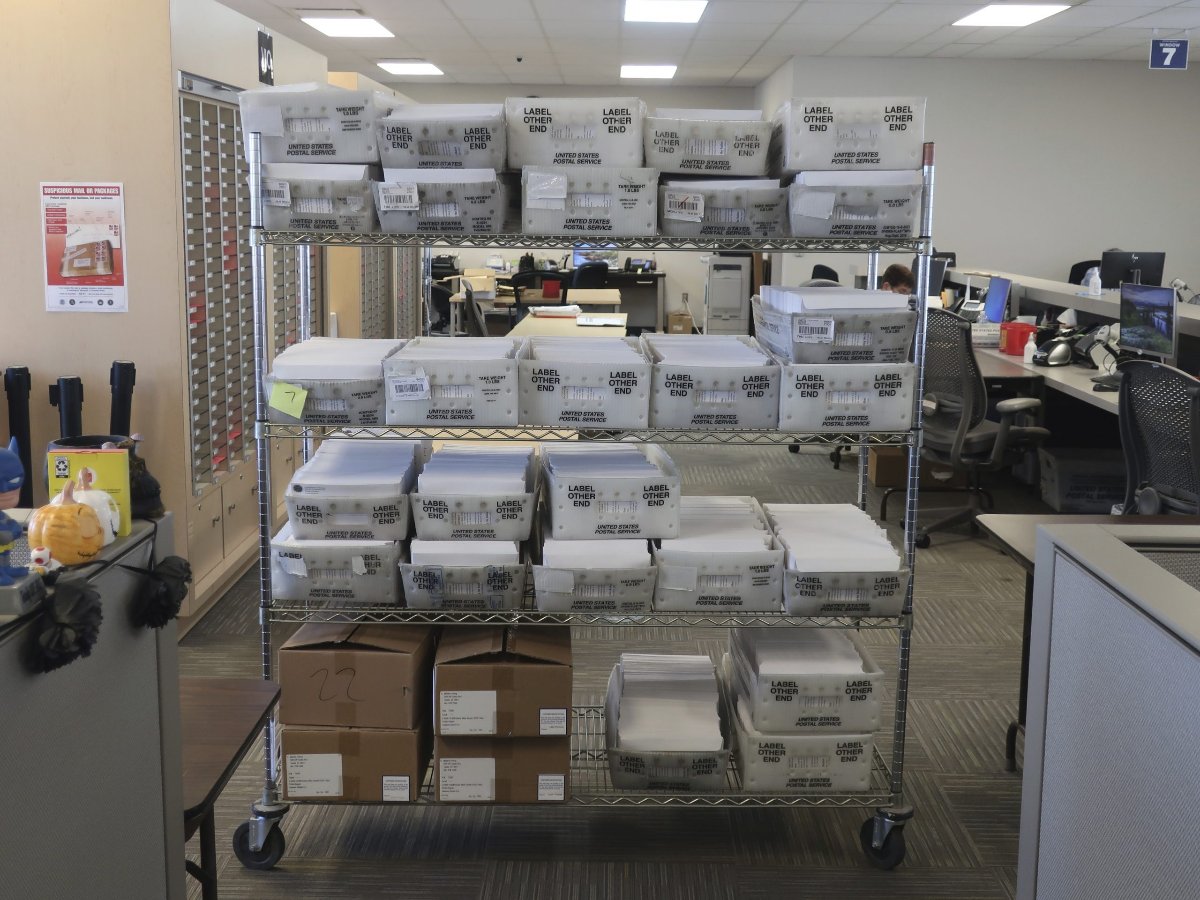
TOPEKA –Kansas Attorney General Kris Kobach Friday announced a clear victory for election integrity after Shawnee County District Judge Teresa Watson upheld the state's requirement that signatures on advance mail ballots match signatures on file with county election offices. In League of Women Voters of Kansas et al. v. Scott Schwab, the court ruled that none of the plaintiffs had standing to challenge the signature verification requirement. The court further held that, even if standing existed, the plaintiffs' equal protection claim failed since the signature verification requirement has been uniformly implemented across the state and their due process claim failed where Kansans have sufficient opportunities to cure any signature discrepancy. "Today the court upheld Kansas's signature verification law for mail ballots, confirming what we've argued all along: matching a voter's signature is a basic, common-sense safeguard that protects the integrity of every legitimate vote," Kobach said. "Election integrity and access are not in conflict. This ruling proves both can be upheld under the Kansas Constitution. We will continue defending laws that ensure Kansas elections remain the safest and most secure in the nation." The ruling follows a 2024 Kansas Supreme Court decision that recognized signature verification as a valid legislative effort to confirm a voter's eligibility, while remanding the equal-protection and due-process questions for trial. After a multi-day bench trial in July 2026, the district court found that statewide regulations and required training produce consistent, objective standards across counties. Inconsistency is recognized only when differences are multiple, significant, or obvious. Training materials, selected after review of practices in states with extensive mail-ballot experience, emphasize natural variations in genuine signatures. Statewide data from the 2022 and 2024 general elections showed that more than 99.9 percent of advance mail ballots subject to signature matching were ultimately counted. Signature-related rejections numbered only 130 in 2022 and 94 in 2024, with the overwhelming majority of Kansas counties reporting none. When a mismatch is identified, state regulations require prompt notice and a cure process that includes multiple contact attempts (at least three by telephone when a number is reasonably available) plus written first-class notice, giving the voter a clear opportunity to verify identity and resolve the issue. "The rejection figures do not show, of course, that every county official will reach the same conclusion concerning every signature. Nor must they," Judge Watson wrote in her 80-page opinion. "But they provide powerful evidence against plaintiffs' theory that differences in county administration or reviewer judgment have produced systemic disparate treatment." The signature verification provision remains fully in effect and will ensure the integrity of votes in the upcoming election. The Attorney General's Office will continue to defend Kansas's election-security measures against future challenges. |
