Joplin Historical Neighborhood: Restored Mansions Bring Joplin’s Victorian History to Life
What do you think?
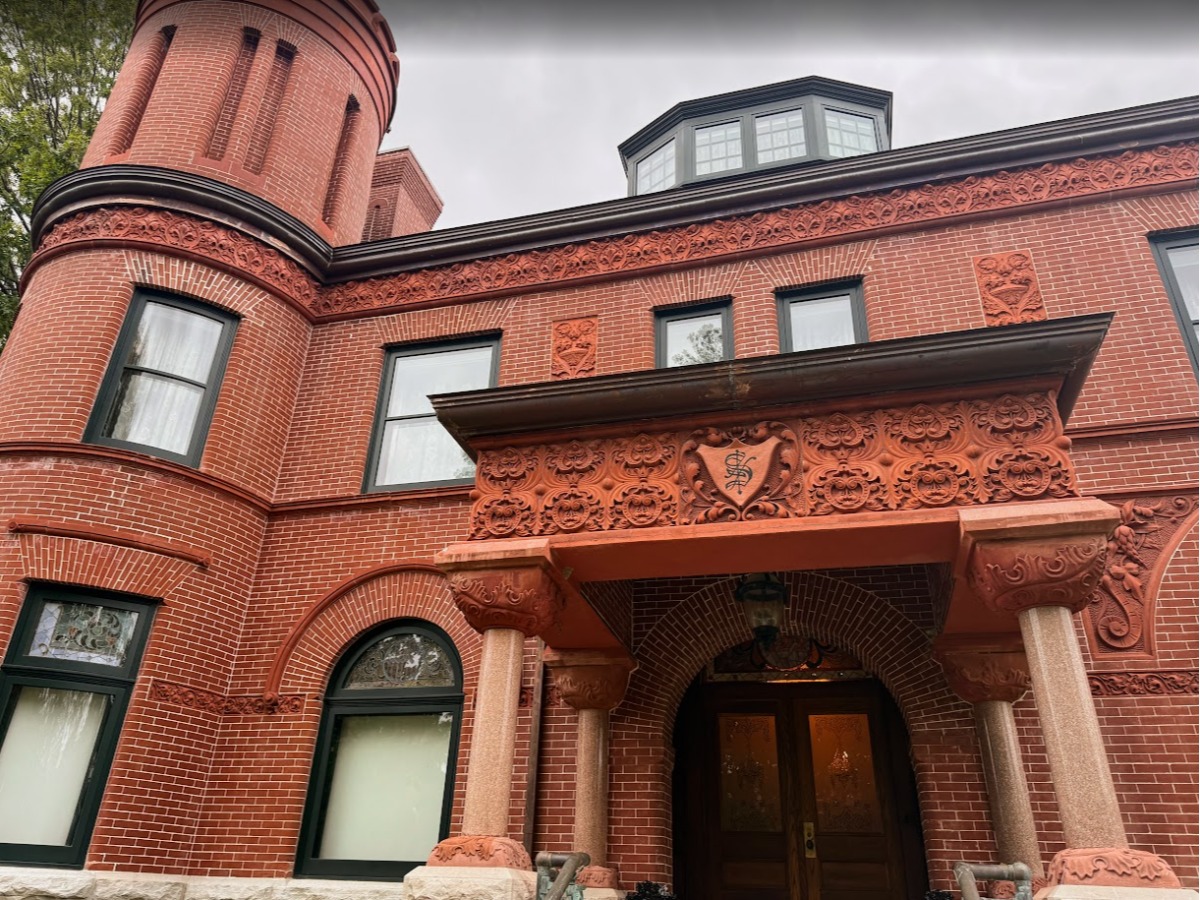
JOPLIN, Mo. — Behind the elaborate brickwork, towering roofs and ornate porches of Joplin's Murphysburg Historic District are stories of ambition, generosity and a city transformed by the mining industry.
Today, the former homes of Charles and Wilhelmina Schifferdecker and Edward and Margaretha Zelleken stand as reminders of Joplin's late-19th-century prosperity.
Following an extensive restoration led by Joplin Historical Neighborhoods, the historic properties are once again welcoming the public, offering guided tours, educational programs and special events that celebrate the city's Victorian heritage.
The restoration preserves more than impressive architecture. It brings renewed attention to two immigrant families whose business ventures, charitable contributions and civic leadership helped shape Joplin during one of its most consequential periods of growth.
From German immigrants to Joplin business leaders
Charles Schifferdecker and Edward Zelleken arrived in America from Germany and built their fortunes through determination, entrepreneurship and investments in the region's booming economy.
Their business relationship began in the 1870s, when both men were involved in brewing in Baxter Springs, Kansas. Zelleken arrived in America at 21 and, within eight years, progressed from building beer barrels to owning a brewery in southeastern Kansas.
In 1868, he and his wife, Margaretha, sold their first brewery and constructed a larger operation in Baxter Springs, a frontier town serving cattle drives headed toward Kansas City.
The couple reinvested their earnings in Kansas banks and businesses before expanding into mining. When Kansas prohibited alcohol sales in 1880, the Zellekens relocated to Joplin. The Schifferdeckers also established themselves in the city, and the families became neighbors, investing heavily in local businesses and mining interests.
Their fortunes grew alongside the Tri-State Mining District, where southwestern Missouri and southeastern Kansas became major producers of lead and zinc. The region's mineral wealth helped fuel Joplin's rapid development, creating opportunities for entrepreneurs and generating demand for businesses, housing and public services.
Schifferdecker became a founding member and longtime president of First National Bank, serving in the leadership role for 12 years. He also served on the Joplin City Park Board and completed two terms on the Joplin Board of Education.
Zelleken became a major shareholder in Interstate Grocery Company, vice president of Miners Bank and president of Galena Lead & Zinc Company.
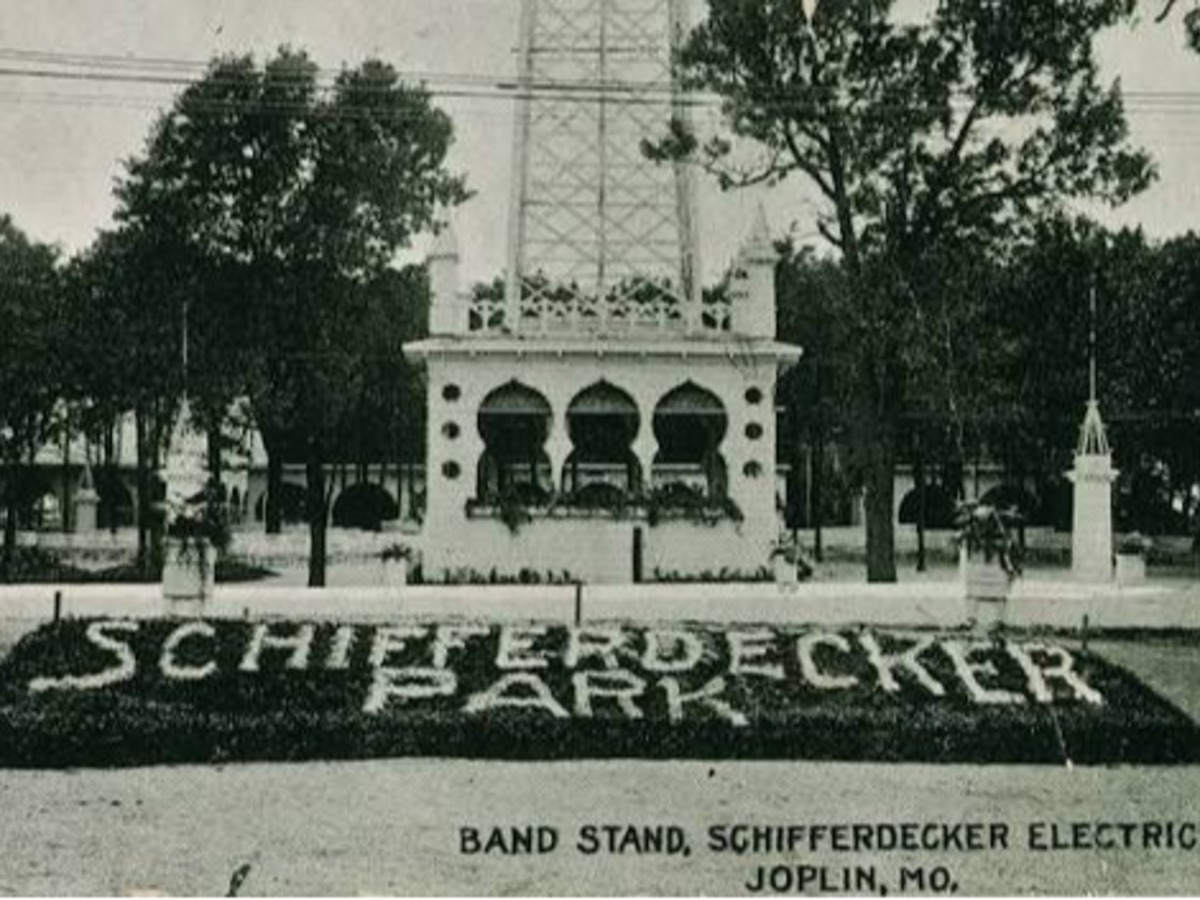
Their influence extended well beyond business. The families supported the YMCA, St. John's Hospital, the Scottish Rite Cathedral, Immanuel Lutheran Church, the Joplin Charitable Union and the Provident Association. Their contributions also helped support the development of a city park, residential neighborhoods and the Joplin Opera House Association. Schifferdecker donated property for the Scottish Rite Cathedral and land that became Schifferdecker Park, leaving a public legacy that continues to bear his name.
A hospital built to meet the needs of a mining city
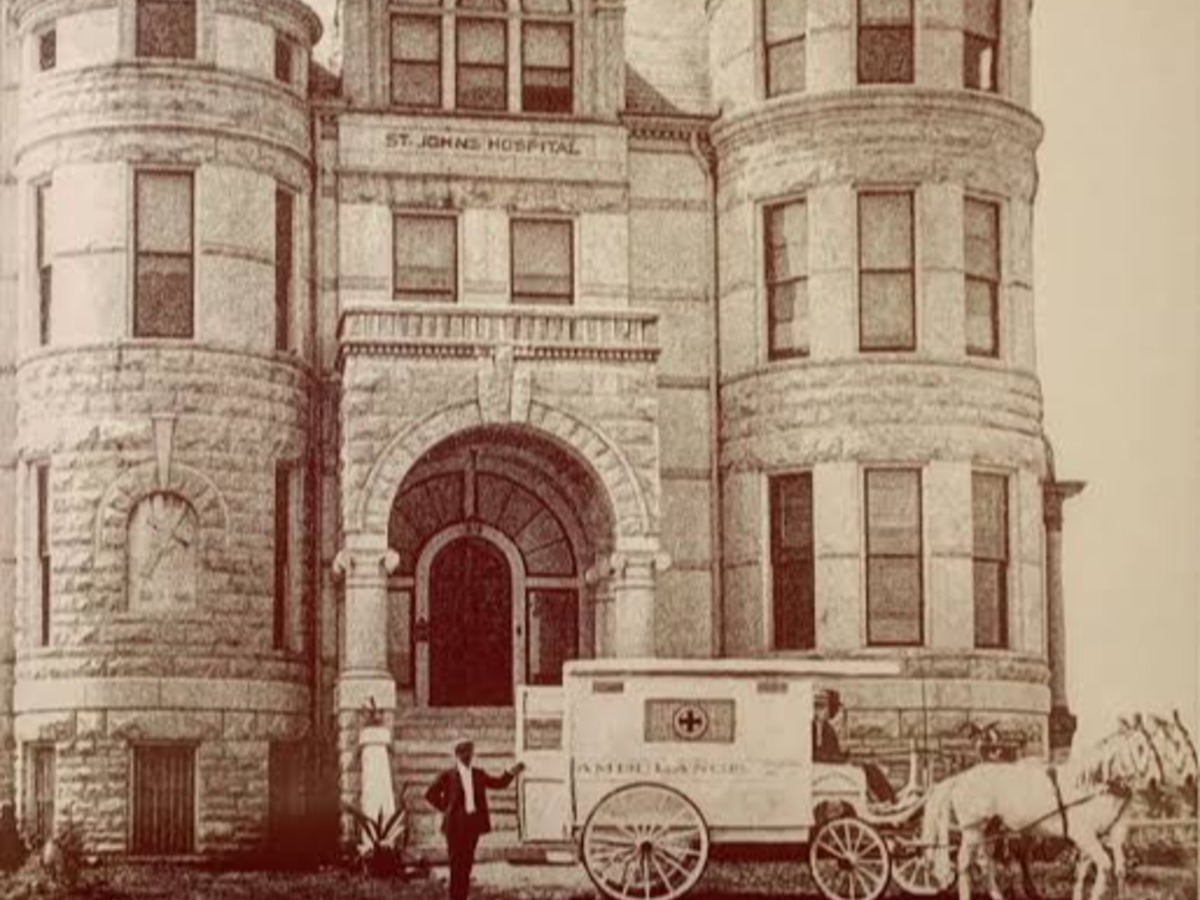
As mining expanded, so did the dangers faced by the men working underground. Injuries created an urgent need for medical care, but the city's original Mercy Hospital had only 10 beds.
With so little capacity, injured miners sometimes had to be transported to hospitals miles away to Fort Scott, KS. For some, the journey itself proved fatal.
The effort to expand local medical care led to the establishment of St. John's Hospital, designed to provide 50 beds and better serve a growing population.
Miners were offered medical plans for only 25 cents a week and those who donated to help expand the hospital were given a card entitling them to free medical care.
The hospital initiative reflected a broader reality of Joplin's mining boom: the city's prosperity brought not only wealth and development, but also difficult social and public health challenges. Community leaders such as the Schifferdeckers and Zellekens helped direct resources toward institutions intended to meet those needs.
Their charitable work demonstrated how private wealth could influence the development of essential public services during Joplin's formative years.
Inside the Schifferdecker and Zelleken homes
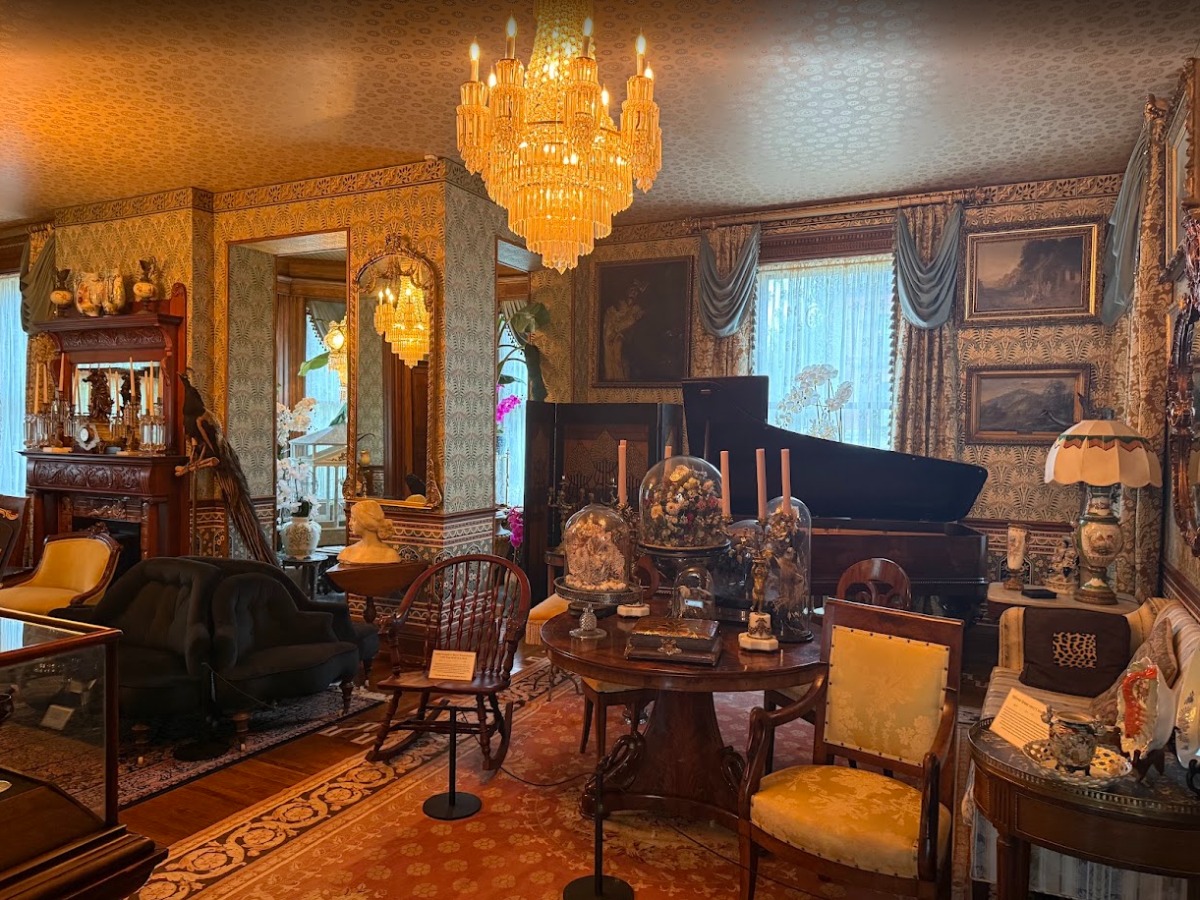
The two restored residences offer contrasting examples of the architectural ambition that accompanied Joplin's growth.
Designed around 1891 by architect Arthur Tappan North, the Schifferdecker home is a three-story residence combining German-inspired design with the Romanesque style.
Its imposing exterior features a raised foundation of rough-faced Carthage limestone, red brick walls with rounded corners and a steeply hipped roof topped with Buckingham slate. A polygonal dormer projects from the roof, while decorative terra-cotta bands and panels incorporate floral motifs, dragons, urns and the flowering hops plant.
The home's tower-like appearance reflects Schifferdecker's personal history. He began working as a gardener at 14 and earned enough money by age 18 to immigrate to America on his own. Having grown up around castle-like structures, he reportedly wanted a tower reminiscent just like the one near the garden where he had worked as a young man.
His home became a physical expression of that early ambition and the prosperity he later achieved.
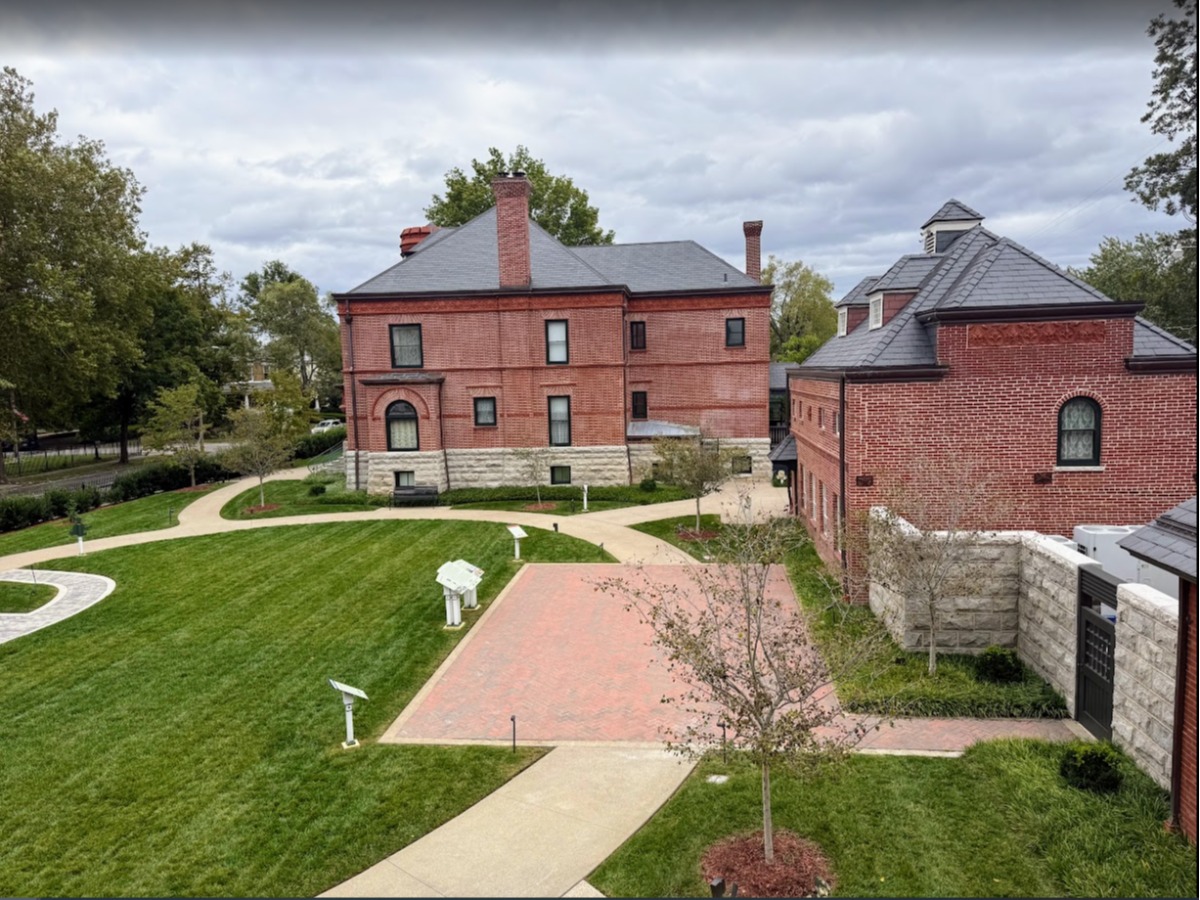
The nearby Zelleken residence, designed by Frank Resch in 1893, showcases a different style. The three-story Queen Anne home features an asymmetrical layout, steeply pitched rooflines, irregular gables and three wooden wraparound porches.
Three original chimneys with bulbous planters contribute to its distinctive silhouette. The property also retains its original carriage house and a garage, which is among the early automobile garages associated with Joplin's development.
The Schifferdeckers' elaborate custom-made carriages, drawn by prized purebred horses, reflected the era's transportation and social customs. The neighboring garage, meanwhile, points toward a period when automobiles were beginning to change everyday life.
Together, the residences preserve details of a time when architecture, technology and personal wealth were reshaping the city's residential neighborhoods.
Behind the grand homes: The people who kept them running
The elegance of the homes depended on the labor of household staff whose work often went unseen.
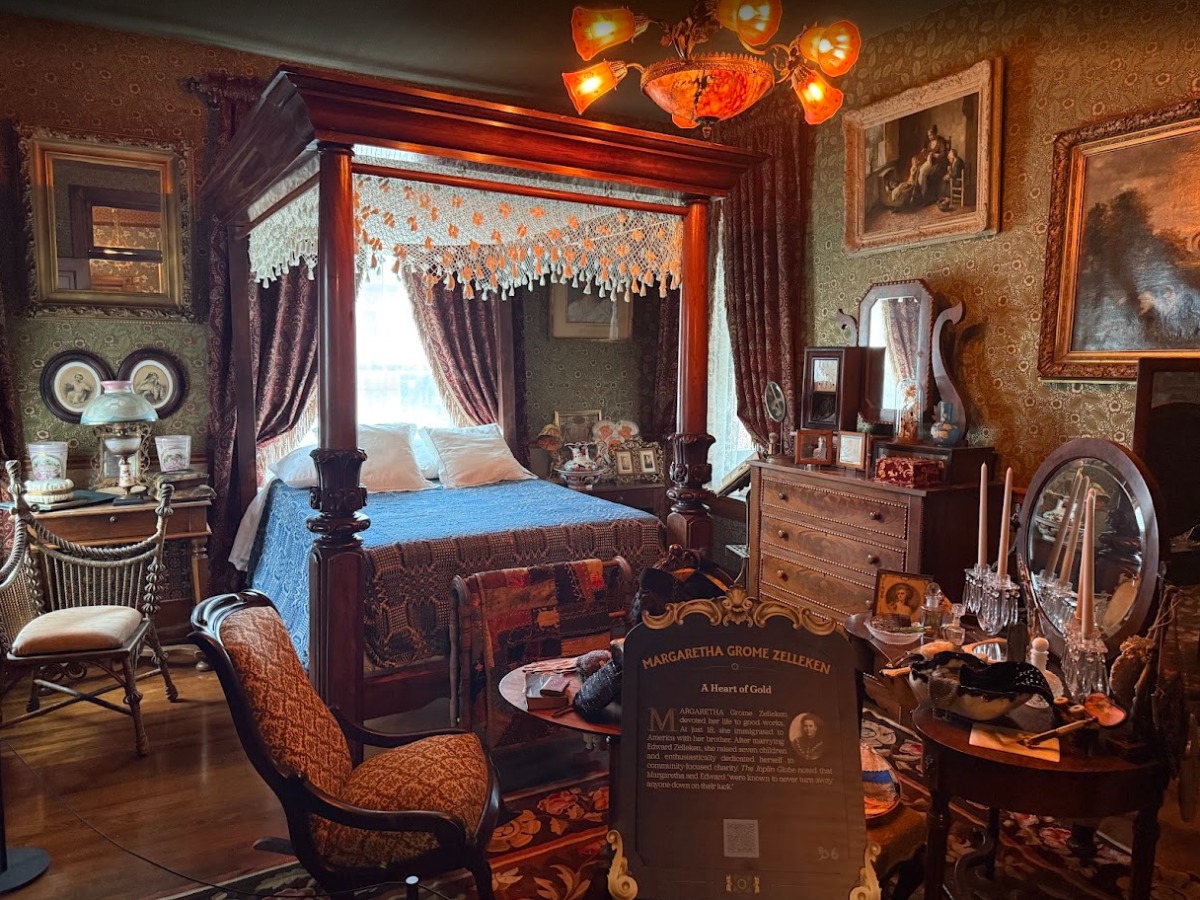
Servants were responsible for nearly every domestic task, including cooking, cleaning, laundry, mending, tending fireplaces, emptying chamber pots, arranging ice deliveries, fetching coal, winding clocks and helping family members dress.
Without washing machines, vacuum cleaners and other modern conveniences, household work was physically demanding and time-consuming. Domestic servants of the period commonly received only one or two days off a month.
The Schifferdecker household reportedly employed three young women who remained with the family until their deaths, reflecting long-term relationships between household employers and their staff.
Another important figure was gardener James Johnson, who worked for the family and later married into it. According to the family's history, Schifferdecker built a house for the couple behind the family residence as a wedding gift.
A related family connection involved John Richard Johnson, who married Louisa K. Martens, a niece of Charles and Wilhelmina Schifferdecker. He became Schifferdecker's right-hand man, managing the family's extensive property holdings.
Schifferdecker expressed his gratitude by arranging the construction of a two-story brick home at 419 S. Jackson Ave. Designed by Joplin architects Garstang and Rea in 1905, the residence was reportedly valued at $10,000. Known as the gardener's cottage, it stands as another reminder that the history of the neighborhood includes the people who worked behind the scenes as well as those who owned its grandest homes.
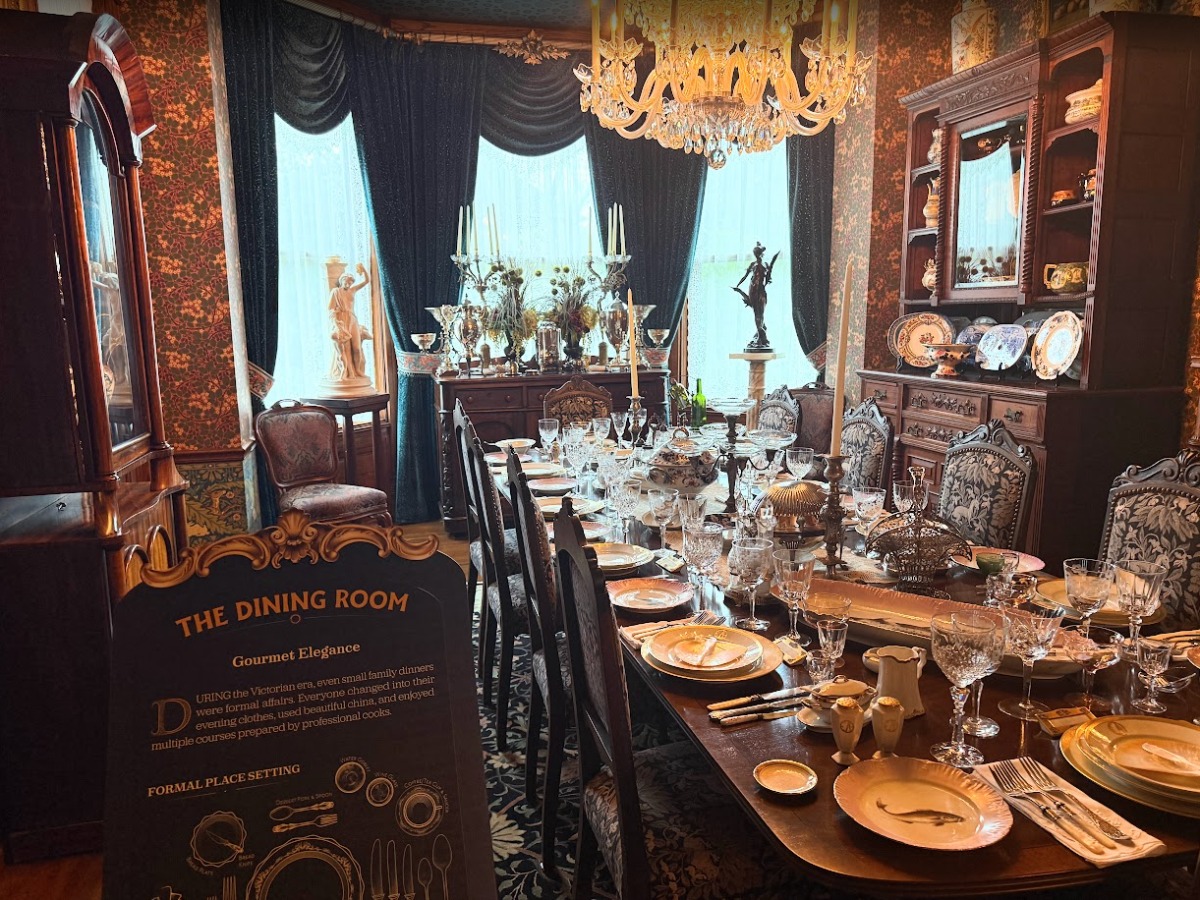
Margaretha Zelleken's legacy of generosity
While Edward Zelleken built a successful business career, his wife, Margaretha, devoted much of her life to family and charitable work.
She immigrated to America at 18 with her brother and later raised seven children with Edward. She became known for her commitment to helping people in need.
According to accounts published in The Joplin Globe , "Edward and Margaretha were known for never turning away anyone who had fallen on hard times."
Their philanthropy formed part of a larger pattern of civic involvement among Joplin's prominent families, who supported churches, schools, hospitals and charitable organizations as the city expanded.
Heartbreak for the Schifferdeckers
The Schifferdeckers also experienced personal loss. Their only son, Charles Jr., died in infancy.
Charles and Wilhelmina died just 10 days apart in October 1915: Wilhelmina died first, followed by Charles at their home on Oct. 30.
Their stories reveal a more personal side of the historic district, where wealth and achievement existed alongside grief, family commitments and the everyday work of maintaining a household.
A mansion becomes Joplin's first permanent art center
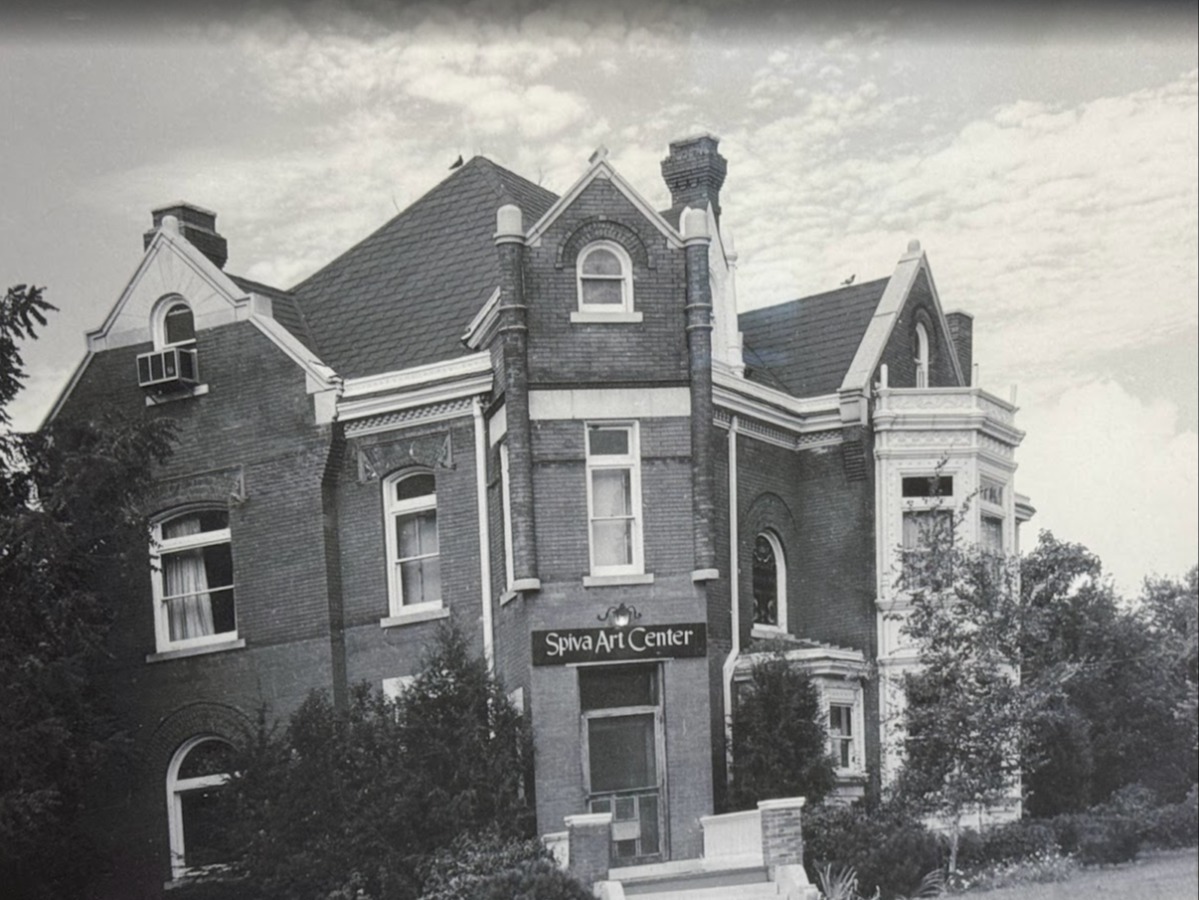
The Zelleken home took on a new identity decades after the family lived there, becoming an important part of Joplin's cultural history.
In the late 1950s, the Ozark Artists Guild, founded in 1948 by self-taught artist Robert Byron Tabor, sought a permanent space for art exhibitions, classes and cultural activities. Tabor later gained national recognition, with his work displayed at the Museum of Modern Art in New York City and the White House.
According to a May 10, 1958, report in The Joplin Globe, the guild arranged to purchase the former Zelleken residence from Thornhill-Dillon Mortuary, which had owned the property since 1946. Financial support from George and Agnes Spiva helped make the purchase possible.
With help from Joplin architect C. Bates Manning, guild members transformed the home into an art center. It opened in spring 1959 as the Spiva Art Center, operated by the Ozark Artists Guild.
The center remained in the residence until 1967, when it moved to the Missouri Southern State College campus. Today, Spiva Art Center is located in Joplin's Harry M. Cornell Arts & Entertainment Complex, continuing its mission of supporting arts and culture in the community.
A new chapter in historic preservation
Preserving the two homes for future generations required more than cosmetic improvements.
David and Debra Humphreys, founders of Joplin Historical Neighborhoods, acquired the buildings in 2017. In 2018, they established the nonprofit organization to oversee their preservation and restoration.
The work was carried out from 2018 through 2021, with the broader project reaching completion in 2025.
The restoration team faced significant structural challenges, including foundations that had deteriorated over more than a century. Maintaining historical accuracy also required locating or custom-producing materials that matched the homes' original construction, including particular types of wood, brick and stone, as well as authentic fixtures and fittings.
The project involved substantial structural work, including new concrete footings and bond beams, alongside efforts to retain the historic character of the buildings.
Brad Belk, a local historian and preservation director who serves as executive director of Joplin Historical Neighborhoods, has helped guide the organization's work to interpret and preserve the properties.
The restoration represents an investment in the physical structures and the stories they contain. Each architectural feature, household detail and change in ownership helps illustrate how Joplin developed from a mining boomtown into a community with lasting civic and cultural institutions.
Preserving the past for future generations
With restoration complete, the historic homes are open to the public through guided tours, educational programs and special events.
Visitors can explore the architecture of the Victorian era while learning about the German immigrant families who helped shape Joplin, the domestic workers who maintained their households, the mining wealth that transformed the region and the artists who later used one of the homes as a cultural center.
The Murphysburg Historic District offers a perspective on history that extends beyond the accomplishments of prominent businessmen. It reveals how individual lives, working relationships, philanthropy, industry and the arts intersected to shape a community.
Through Joplin Historical Neighborhoods, the Schifferdecker and Zelleken homes have been given another chapter in their long histories — one focused on education, preservation and public access.
Their restored walls and intricate architectural details remain reminders that a home is more than a house. It is a record of the people who lived there, the community they helped build and the generations that follow.
Keeping Joplin's History Alive
Special thanks to the Joplin Historical Neighborhoods Museum for helping preserve and share the stories behind Joplin's historic homes and the people who shaped the city.
Readers can explore more of Joplin's history by visiting the museum at 422 S. Sergeant Ave. in Joplin, where stories, photographs and artifacts bring the city's past to life. For current hours and visitor information, visit joplinhistorical.org.
Join us next Tuesday as we continue exploring the historic buildings that tell Joplin's story!
