Burlison calls ATF rollback biggest Second Amendment victory in over 80 years
What do you think?
Southwest Missouri Congressman Eric Burlison gave Newstalk KZRG details of his behind-the-scenes efforts to eliminate federal firearm registration requirements.
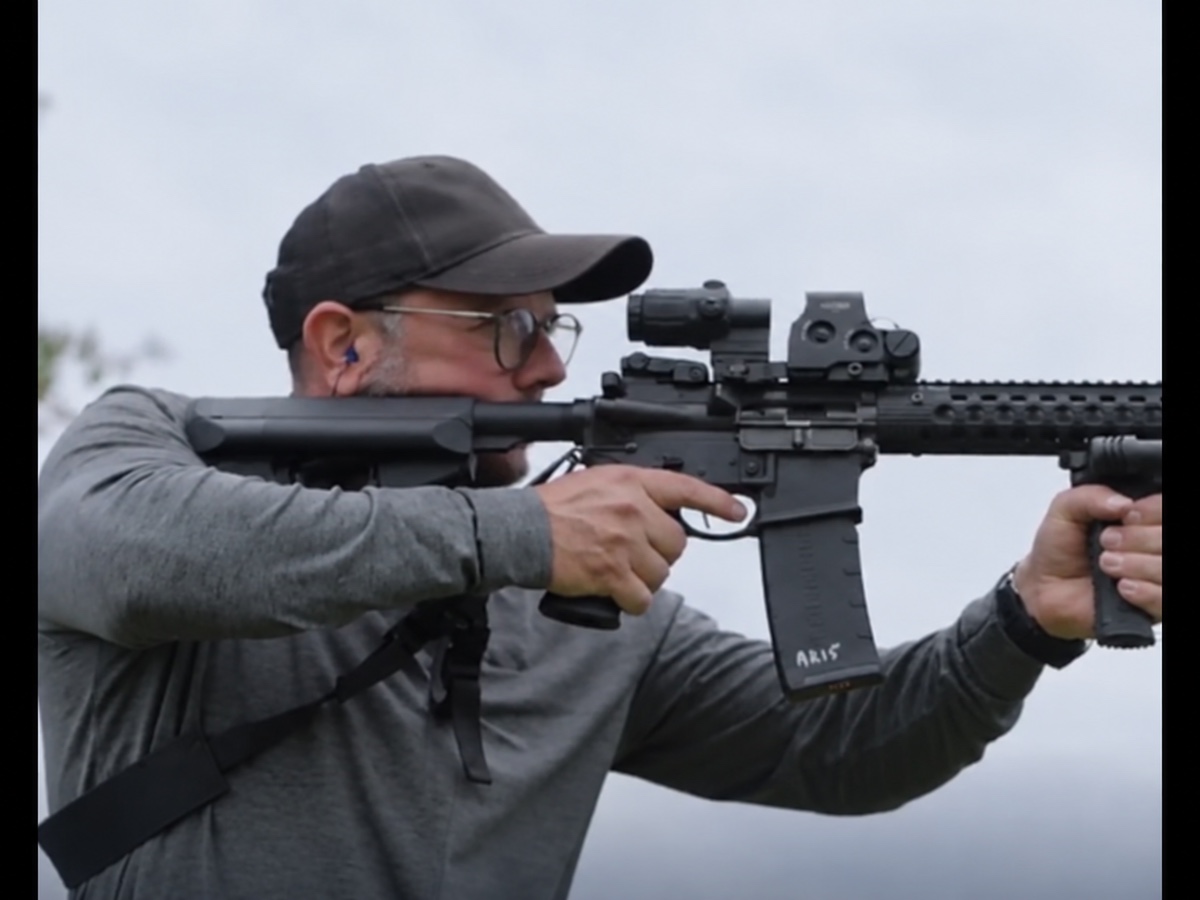
The Bureau of Alcohol, Tobacco, Firearms and Explosives will no longer enforce federal registration and advance approval requirements for suppressors, short-barreled rifles and short-barreled shotguns under the National Firearms Act.
"This is probably the biggest win for the 2A community in over 80 years or maybe even more," Burlison said.
Burlison helped advance legislation eliminating the $200 federal tax on those weapons and accessories but was frustrated when Senate procedural rules prevented Congress from eliminating their registration requirements.
"We had talked with the Trump administration that evening and had gotten, basically, we had had a conversation and pretty much an agreement that if the courts hadn't thrown it out, that the Trump administration would instruct the ATF to no longer collect the registration," Burlison said.
The latest federal policy followed an August court ruling finding portions of the National Firearms Act unenforceable after Congress eliminated the associated tax. The administration subsequently extended its nonenforcement policy nationwide.
The change does not eliminate existing federal background checks for purchases through licensed dealers, and state firearms restrictions remain in place.
He is also defending the Trump administration's decision to break a 24-year tradition of allowing international observers to monitor American elections.
Burlison called the decision to exclude international election observers a "big nothing burger."
For the first time since 2002, the United States has declined to invite the Organization for Security and Co-operation in Europe to observe a federal election.
The international organization has monitored 12 U.S. federal elections, including six midterm elections. Its observers evaluate election procedures, identify potential problems and issue independent assessments.
Burlison questioned whether those observers have accomplished anything.
"I don't like the United Nations telling us what to do. I don't like any other countries telling us," Burlison said. "How do these other countries have the ability or the authority to tell the United States of America how we should be doing our elections?"
The OSCE is separate from the United Nations, and its observers have no authority to direct American election officials, change election procedures or interfere with voting.
Burlison argued that observers representing American political parties provide sufficient oversight. He also criticized Democrats over voter identification requirements and repeated allegations of noncitizens voting in American elections.