Kansas US Congressman Derek Schmidt joins the Morning Newswatch
What do you think?
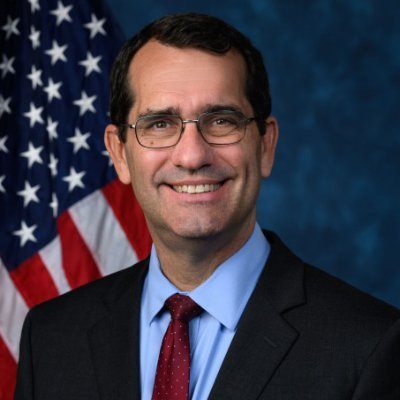
Most of the country is talking about Pam Bondi’s hearing in D.C. on Wednesday. Well, Kansas US Congressman Derek Schmidt had a front-row seat for the show.
“Well, it was, I like to say, lively, which I guess is a euphemism for just sort of noisy,” Schmidt said. “Every year the Judiciary Committee conducts an oversight hearing for the Department of Justice. It's customary. The Attorney General comes in and many members can ask anything they want. So there wasn't a focus on one particular topic. Pretty much all the Democrats wanted to ask about the Epstein files, and they spent hours doing that. There were some Republican questions on that. There were a lot of Republican questions, including my own, on some of the illegal immigration enforcement, some of the steps that the department's taken that have really driven down the numbers at the border and that have done some of the removal operations of folks that are hiding in sanctuary cities, that are criminal, illegal aliens, came here, committed other crimes, are supposed to be not just punished under their state law, but also deported when they finished their sentence. And so, you know, we covered a lot of ground yesterday. But yeah, … it was probably not Congress's finest moment.”
Schmidt added the Epstein files situation is tricky because so much has been released, but it's hard to discern fact from fiction with so much information out there.
“It appears that there were some things redacted that should not have been,” Schmidt said. “They need to be unredacted, as it were. And the attorney general pledged yesterday to do that. And there also apparently were some things such as victims names that should have been redacted but were not. That obviously needs to get rectified as quickly as possible, though it may be impossible to fix any harm that's occurred from that once the names are out there. But the attorney general also pledged to fix those. So, I don't know what to make of all of this other than I think it's very good that the information is finally coming out, voting for the law to cause that to happen.”
Kansas U.S. Rep. Derek Schmidt praised a recently announced U.S.-India trade framework as a significant breakthrough for diversifying American agricultural exports away from an unpredictable and imbalanced relationship with China, which has been challenging for U.S. farmers and ranchers due to trade imbalances and geopolitical tensions. The interim agreement, which includes commitments from India to eliminate or reduce tariffs on key U.S. products, will boost purchases of American sorghum—where Kansas leads global production—dried distillers grains, and soybean oil, directly benefiting Kansas's rural economy, soybean producers, and related processing plants in his district. Schmidt, who advocated for these priorities with the U.S. Trade Representative over the past several months, called it a positive short and long-term step toward more stable export markets, though he stressed the need for the administration to follow through on implementation.
Kansas U.S. Rep. Derek Schmidt explained that Congress has completed 11 of the 12 annual appropriations bills for the fiscal year, with the final one funding the Department of Homeland Security (DHS) on track after a bipartisan, bicameral agreement among House and Senate leaders from both parties. However, following the second fatal shooting of a U.S. citizen by federal immigration agents in Minneapolis (involving Border Patrol in late January 2026 during heightened enforcement operations), Senate Democrats reneged on the deal, demanding changes to funding and operations for Immigration and Customs Enforcement (ICE) and Customs and Border Protection (CBP).
Schmidt called their stance "strange," noting that blocking the bill would paradoxically slightly increase ICE and CBP funding while halting resources for unrelated agencies like the Transportation Security Administration (TSA), Secret Service, Coast Guard, and FEMA—despite the original bill including reforms such as body cameras and de-escalation training for agents. He expressed hope for at least separating and passing funding for non-immigration DHS components to avoid disruptions, as funding was set to lapse the following day, requiring at least a short-term extension while negotiations continue amid pressure from Democratic base voters.
Schmidt added that congressional leaders from both parties are largely in agreement on funding for the Department of Homeland Security (DHS) except for provisions related to Immigration and Customs Enforcement (ICE) and Customs and Border Protection (CBP), amid ongoing disputes intensified by recent events. One proposed approach is to separate and pass funding for the rest of DHS—avoiding disruptions to agencies like the Coast Guard, TSA, Secret Service, and FEMA—while leaving ICE and CBP issues for further negotiation. Schmidt emphasized that the final decision rests with top leaders including Speaker Mike Johnson, Senate Majority Leader John Thune, House Minority Leader Hakeem Jeffries, Senate Minority Leader Chuck Schumer, and the president, expressing hope for a deal to prevent any shutdown of key agencies over the disagreement.