


Joplin Principal Randy Oliver talks cell phone ban at JHS
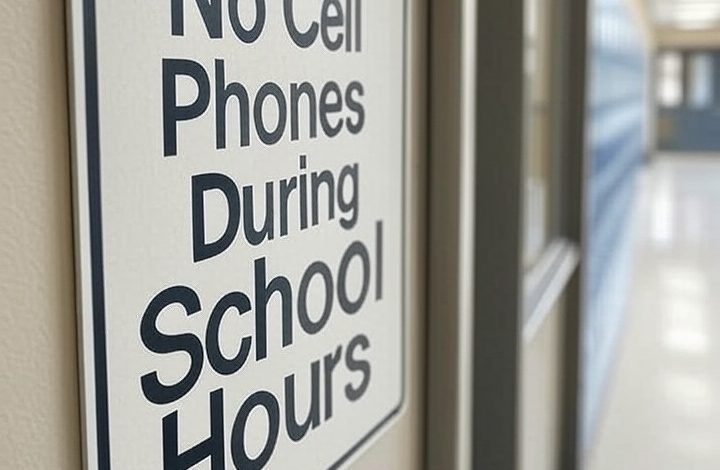
Joplin High School Principal Randy Oliver stopped by the KZRG Morning NewsWatch to talk about the recent cell phone ban in school by the state of Missouri.
Prior to Missouri Governor Mike Kehoe signing Senate Bill 68, Joplin already had a similar cell phone policy that was simply expanded upon.
“The governor signed into law with Senate Bill 68 that no cell phones in school, which the difference for Joplin High School for this year is that the law also covers the lunchroom and passing times,” Oliver said. “Before, we already had no cell phones in classrooms. So, instructionally, we didn’t want those interfering with us before this law ever came into play. But now since the law, it really expands that scope. And now kids can’t have them in the lunchroom and kids can’t have them during transition times in between classes.”
Oliver noted that while teachers are allowed to use cell phones, Joplin Schools is trying to set the right example by also refraining from using cell phones during instructional times.
Of course, while students by large have been compliant, there are other smart devices aside from phones, including smartwatches, that teachers will be watching for.
“We encourage our teachers to really be vigilant and be monitoring what’s going on in the classroom,” Oliver said. “So if they do see that, then of course we’re going to talk to them and talk to the student, talk to the parents and make sure they understand.”
“So for the first few days, I think we’ve had 18 different instances in which we’ve talked to a kid,” Oliver added. “But when you figure we have 2,400 kids, that’s pretty good over a four-day period. So, we’re going to continue to track that and see where that goes each and every day.”
The biggest revelation that has come from the expansion of the student cell phone ban at Joplin High School has been the increased social interaction between students.
“Where I see the biggest differences are in our hallways and in our cafeterias,” Oliver said. “The first few days I was in every lunch shift because we wanted to remind kids because they weren’t used to that and they’re not reading the law. They probably didn’t have any idea until I sent it out in a weekly memoir that it actually happened. And so we really talked to them and coached them through the first few days. But, what I noticed as I was walking around the lunchroom, kids had their phones away and guess what? They were talking to each other.”
“And that’s what we want. We want our kids talking with each other, learning about each other, visiting with each other, just even simply about their day. And in that lunch environment where you have 500 kids, it’s amazing to see when kids don’t have cellular devices, they’re able to work with each other and come up with other things.”
Of course, the big question is what is the protocol for an emergency?
“In a classroom, if an emergency situation comes up, the law simply states they need to have access to their phone,” Oliver said. “So we obviously will provide that. And so we have to really work on moving forward is what constitutes an emergency from a parent’s perspective. Is it that they’re not riding the bus home and they’re going to be picked up after school? Sometimes those things become a matter of convenience for parents and we just have to really work with them.”