



Blunt introduces bill to strengthen protections for LPTV stations
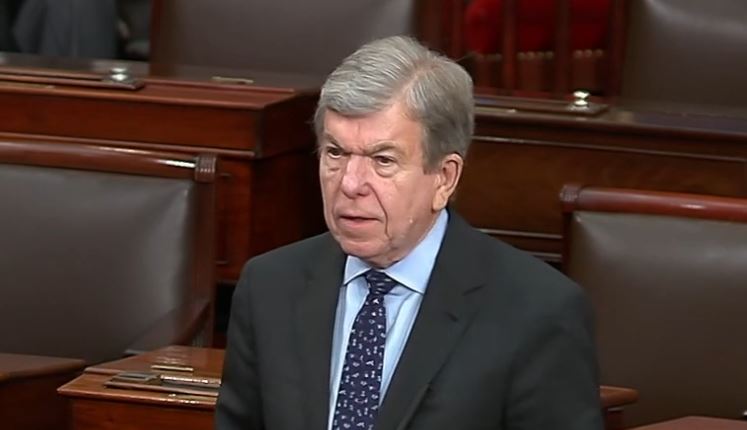
| WASHINGTON – U.S. Senators Roy Blunt (Mo.) and Ron Wyden (Ore.) have introduced the Low Power Protection Act. The bill would strengthen spectrum rights for certain low power television (LPTV) stations, which fill important gaps in broadcast service, particularly in those rural communities outside the reach of a full power signal.
“Local television stations play a unique and critical role in their communities, keeping viewers informed, entertained, and alerted in an emergency,” said Blunt. “The Low Power Protection Act would help ensure smaller stations, especially those in Missouri’s rural areas, are able to continue providing coverage that people depend on.” LPTV stations usually provide locally-oriented or specialized service in their communities. However, LPTV is currently considered a secondary broadcast service by the Federal Communications Commission (FCC). As such, LPTV licensees are not granted protections from harmful interference or displacement, and must accept harmful interference or displacement from full power television stations. In 1999, in an effort to protect LPTV stations from harmful interference or displacement during the transition from analog to digital broadcasting, Congress passed the Community Broadcaster Protection Act (CBPA). The law created the “Class A” station status, and opened a one-time filing window for stations to apply. CBPA directed that Class A licensees be subject to the same license terms and renewal standards as full power television licensees, and that Class A licensees be accorded primary status as television broadcasters as long as they continue to meet the requirements set forth in the statute. Blunt and Wyden’s Low Power Protection Act would require the FCC to open a new filing window during which qualifying LPTV stations could apply for and receive Class A status. Class A status will protect LPTV stations from being bumped off-air by harmful interference. That, in turn, will help ensure they are able to continue providing local coverage, and allow them to better protect existing investment and incentivize further investment in their stations and communities. The bill has garnered widespread support from numerous broadcast organizations and advocacy groups. |