Rising Candy Prices Could Trick Halloween Shoppers
What do you think?
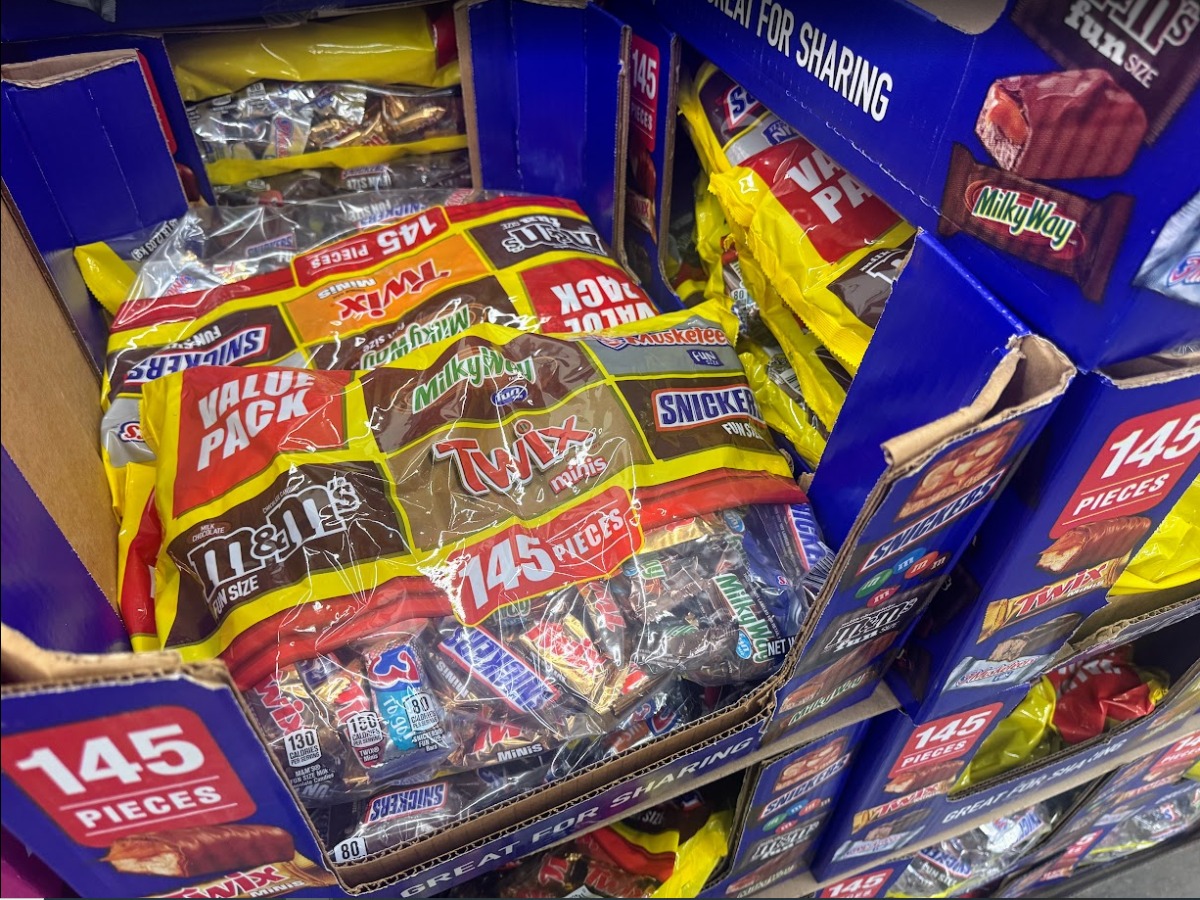
JOPLIN, Mo. — Trick-or-treating may come with a trick of its own this Halloween season as rising candy prices put pressure on consumers preparing for Oct. 31.
The Consumer Price Index for candy and chewing gum rose 7.7% in September compared with the same month last year. Nationally, consumers are forecast to spend $4.1 billion on Halloween candy alone.
Higher sugar and cocoa costs, tariffs, packaging expenses and transportation costs are among the factors contributing to rising candy prices. For shoppers, those increases could make stocking up on Halloween treats more expensive this year.
A look at candy prices at Walmart and Sam's Club in Joplin shows shoppers can expect to pay an average of about $21 for a bulk package of Halloween candy. Across the 13 packages surveyed, prices ranged from $14.86 to $29.97, with package sizes ranging from 90 to 500 pieces.
The cost per piece varied depending on the type and quantity of candy, with larger packages of sweets generally offering more pieces for the price than smaller packages of name-brand chocolate. Buying in bulk may help shoppers save money when preparing for trick-or-treaters, but comparing package sizes and candy types can help consumers get the most for their money.
Sugar prices remain a significant concern for the candy industry. U.S. sugar prices have been substantially higher than world market prices, in part because of federal policies governing sugar imports.
The United States uses a tariff-rate quota system that allows a set amount of imported sugar to enter at lower tariff rates. Imports exceeding those limits face higher tariffs. The system is intended to support domestic sugar producers, but it can also contribute to higher costs for food manufacturers and consumers.
A 2023 report from the U.S. Government Accountability Office estimated that the federal sugar program costs U.S. consumers and food manufacturers an additional $2.5 billion to $3.5 billion annually. After accounting for benefits to domestic sugar producers, the report estimated a net economic loss of $780 million to $1.6 billion per year.
Cocoa prices have also contributed to the cost of making chocolate. Although cocoa prices have fallen from their recent highs, they remain elevated compared with historical averages.
Much of the world's cocoa supply comes from Ghana and Côte d'Ivoire in West Africa. Weather conditions, including heat waves and heavy rainfall affecting cocoa-growing regions in 2025, contributed to crop problems, shortages and price spikes.
Tariffs and other import costs have added further uncertainty for manufacturers. Even as some tariffs on imported commodities, including cocoa, have been removed, manufacturers continue to face expenses associated with ingredients, production and shipping.
Rising production costs have also drawn attention to changes in candy ingredients and recipes. Some manufacturers have introduced products using less cocoa or alternative ingredients to help manage expenses.
Federal labeling standards distinguish milk chocolate from other chocolate-flavored products based on their ingredients and composition. Products that do not meet the applicable requirements may instead be marketed using terms such as "chocolate candy" or "chocolatey."
Hershey faced criticism earlier this year over recipe changes affecting some Reese's products. The company subsequently said it would return to its original recipes for those products in 2027.
Packaging is another potential expense for candy manufacturers. Aluminum is used in wrappers and other packaging for products such as Hershey's Kisses. Higher aluminum costs, including those associated with tariffs, can add pressure to manufacturing expenses.
As Halloween approaches, shoppers may look for ways to stretch their candy budgets by comparing prices, choosing different brands or purchasing smaller quantities.
For families preparing for trick-or-treaters, comparing the cost per piece rather than focusing solely on the package price may help identify the best value. Larger packages may offer savings, but the amount of candy included and the type of product can make a difference.
With Halloween just around the corner, consumers will soon see how rising costs affect their holiday shopping habits. For candy manufacturers and retailers, the season provides another opportunity to gauge how price increases are influencing what customers buy.
