Community leaders experience the realities of poverty through One Joplin Poverty Simulation
The interactive experience places participants in the roles of individuals and families living near or below federal poverty income levels.
What do you think?
What would you do if you had to choose between paying rent, buying groceries, or keeping the lights on?
For many families, these are not hypothetical questions. They are everyday realities.
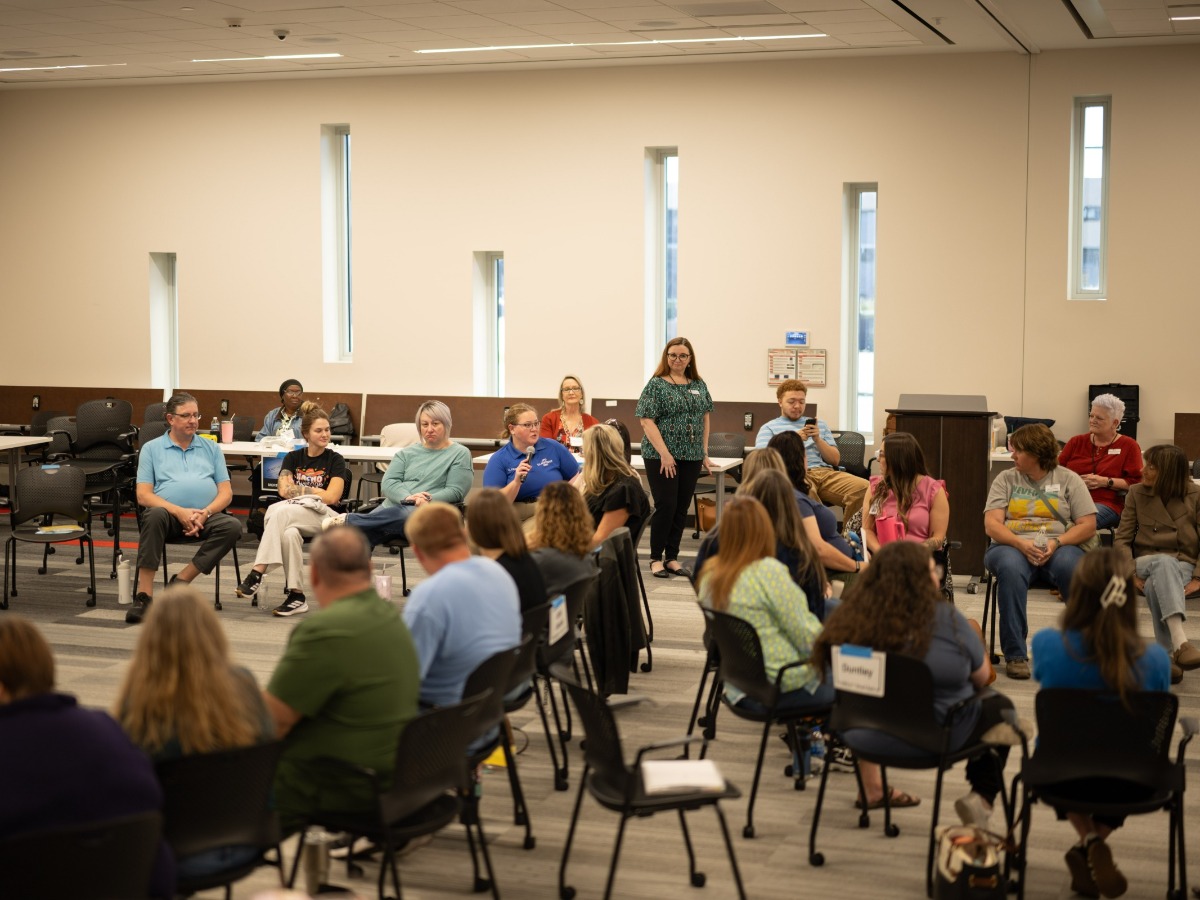
One Joplin today brought together community leaders, educators, healthcare professionals, nonprofit representatives, business leaders, and other community members for its annual Poverty Simulation at the Joplin Public Library.
The interactive experience places participants in the roles of individuals and families living near or below federal poverty income levels. (In 2026, the Federal Poverty Level is $33,000 per year for a family of four.)
Each participant was assigned a new identity and had to navigate a simulated month of challenges involving employment, housing, transportation, childcare, healthcare, and other basic needs.
Throughout the experience, participants encountered the difficult decisions, unexpected setbacks, and systemic barriers that can make escaping poverty incredibly challenging.
"The goal of the Poverty Simulation is to serve as an empathy builder," said Nicole Brown, executive director of One Joplin. "It helps participants better understand the barriers families face and inspires practical changes within their organizations."
While the experience is simulated, the challenges reflect the realities faced by families throughout the Joplin region. The event is designed not only to increase awareness but also to encourage participants to consider how their own organizations, policies, and everyday interactions can help remove barriers.
Melody Colbert-Kean, a former Joplin mayor who took part in the simulation, said the session gave members of the community the chance to see and experience the realities of life.
She urged everyone to understand that people often end up where they are as a result of circumstances and to act accordingly.
ESC Director of Homelessness Response Layne Bourgeous took part in a team that represented law enforcement.
"There were a lot of people coming saying, hey, I got robbed, or this guy did this, or this one did that," Bourgeous said. "I know they do have a very difficult job, and they're having to manage and balance being human with enforcing the law.
"One of the best outcomes from a previous Poverty Simulation was a local business that sent its entire leadership team to participate," Nicole Brown said.
"After the sessions were over, Brown said people involved in the simulation in 2025 reviewed their policies and procedures to see if they were inadvertently making life harder for lower-wage workers.
"They made several changes that have positively impacted employee morale and retention, " she stated
For many participants, the Poverty Simulation is a powerful, even life-changing experience that challenges assumptions, sparks important conversations, and inspires a renewed commitment to serving others.
"We want people to leave with more than a better understanding of poverty," Brown said. "We want them to leave thinking about what they can do differently to make life a little easier for the families in our community."
