City offers tips to prepare for winter weather conditions
With winter weather forecasted, the City of Joplin reminds residents that cold temperatures and precipitation can pose safety risks.
What do you think?
With winter weather forecasted, the City of Joplin reminds residents that cold temperatures and precipitation can pose safety risks. Now is a good time to review winter safety tips, make preparations, and check in with family and friends so everyone stays informed and supported during the cold spell.
Prepare an emergency kit. Items listed below are part of your basic emergency kit and should be kept in a container that can be easily carried.
Water and canned or dried food - Families should set aside one gallon of water per person per day, to last three days, and a three-day supply of food per person. Pack nonperishable items that don’t need cooking, such as tuna and crackers. Remember to include a manual can opener. If there’s an infant in the house, include formula and baby food.
Battery-powered radio
Flashlight
Extra batteries for the radio and flashlight
Prescription medications
First-aid kit
Copies of insurance policies, deeds, and other important records
Install carbon monoxide alarms on every level and outside bedrooms, and leave immediately if they sound. Never use generators, grills, or fuel-burning devices inside or in any enclosed or partially enclosed space.
Practice proper fire safety precautions: never leave a fire unattended; use space heaters according to the manufacturer’s instructions, and ensure your home is protected with a working smoke detector.
Running water, even at a trickle, helps prevent pipes from freezing.
Be safe while outdoors in winter elements. Avoid ice-covered walkways due to the risk of falling. To avoid falling, wear snow boots, take short steps, and use handrails for balance when possible.
Stay home if possible. If you have to travel, prepare an emergency kit that includes blankets, an ice scraper and snow brush, a flashlight with extra batteries, jumper cables, phone chargers, snacks, and water.
Ensure your phone is charged every time you get in the car, and keep a spare cell phone charger and a rechargeable battery pack in your emergency kit.
In case you become stranded in your vehicle, cover your body with extra clothing and remain in your vehicle.
Limit outdoor time during extreme cold temperatures and monitor for signs of frostbite or hypothermia. Layer clothing with loose-fitting lightweight items. Dress warm and stay dry. Wear a hat, scarf and mittens.
Know the warning signs for hypothermia, an abnormally low body temperature. Continued exposure to cold temperatures can cause confusion, drowsiness, clumsiness, and exhaustion. Do not ignore shivering. Shivering is a sign that the body is losing heat. If shivering persists, go indoors.
Know the signs and symptoms of frostbite, or injury to the body caused by freezing. Frostbite mostly affects the nose, ears, cheeks, chin, fingers, and toes. Signs include tingling and numbness, white or grayish yellow areas of skin, and skin that feels waxy.
Tasks such as shoveling snow, pushing stranded vehicles, or even walking can cause exhaustion and overexertion, leading to heart attacks. Close attention to physical health, weather conditions, and the stress associated with the task should be given before taking on such tasks.
Check on family, friends, and neighbors that could be at high risk of cold-related injury or illness, including the elderly, those who are fighting an illness, and people who do not have access to adequate heat.
Provide proper shelter for pets. If pets or livestock must remain outdoors, provide fresh water and food supplies on a regular basis.
More information can be found at: http://www.dhss.mo.gov/emergencies/readyin3/englishfacts/IceSnowStorm.
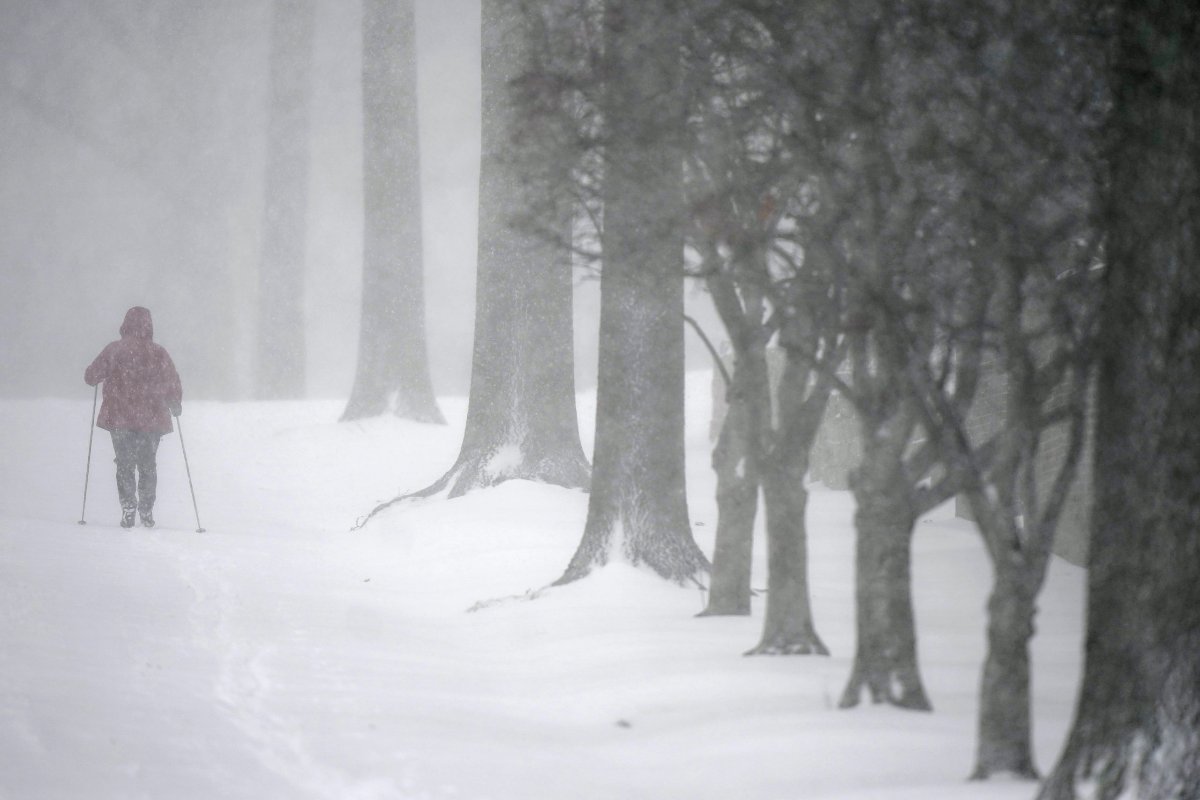
(AP Photo/Charlie Riedel)